Why Some Furniture Holds Value and Most Furniture Does Not
Most furniture loses the majority of its value the moment it leaves the showroom, and a small category holds or increases value for decades. The dividing line is not price, quality or beauty. The dividing line is whether a specific piece can be identified, documented and desired by someone other than its original owner.
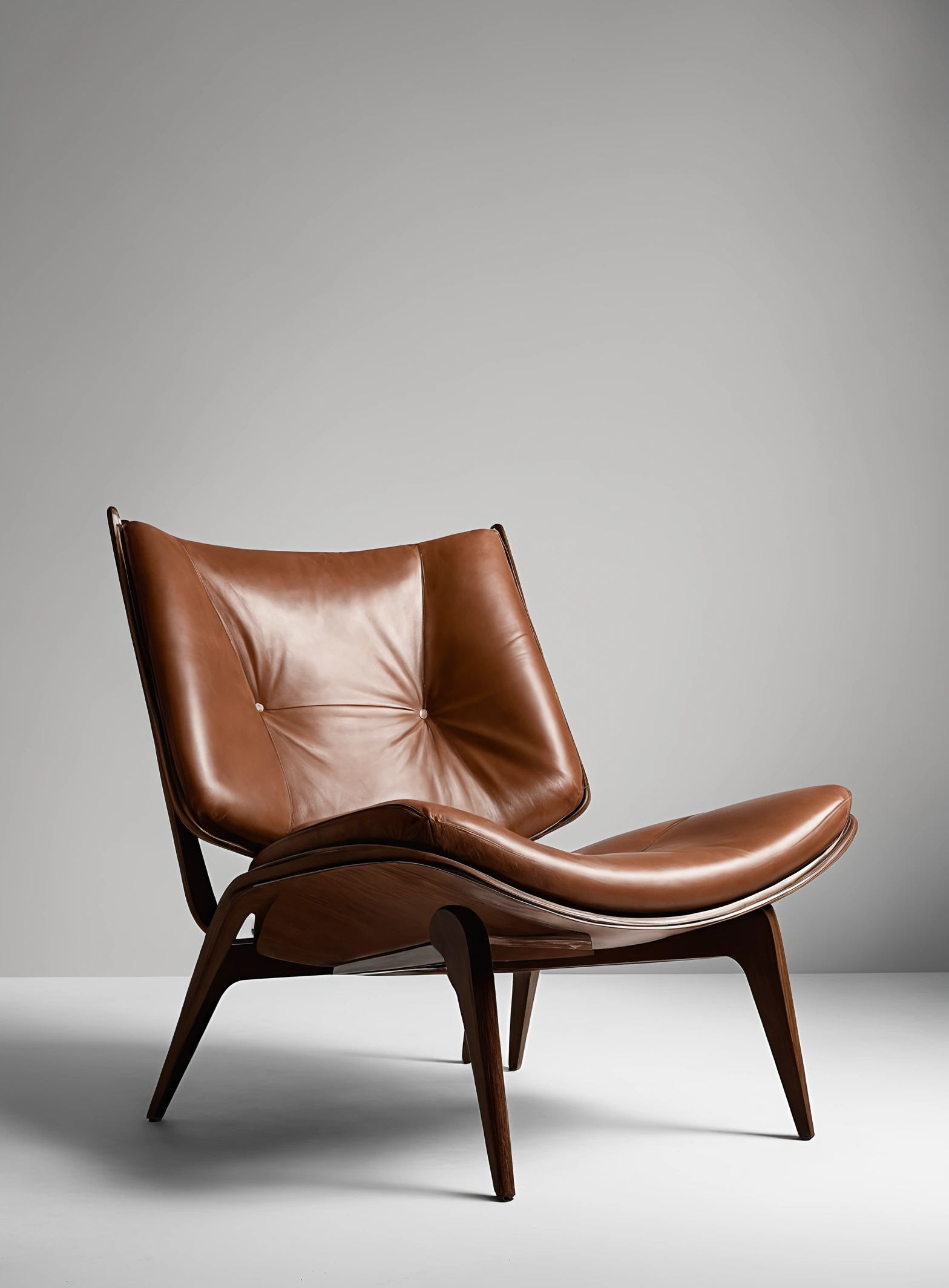
The four conditions that support resale value
Four conditions have to hold together for a piece of furniture to retain value on a secondary market. Pieces meeting all four are uncommon. Pieces meeting two or three lose value more slowly than average without becoming assets.
| Condition | What it requires in practice | How a buyer verifies it |
|---|---|---|
| Attributable authorship | A named designer and a documented model, still recognised decades later | Manufacturer archives and published design literature |
| Continuous production or a closed edition | Either an unbroken production history or a defined, finite run | Manufacturer production records |
| Physical documentation | Serial numbers, stamps, labels or certificates fixed to the piece | Direct inspection of the object |
| Repairability | Frame and structure worth restoring, with parts obtainable | Construction inspection and parts availability enquiry |
Repairability is the condition most often missed. A piece with strong authorship and full documentation still fails as a store of value if its structure cannot survive restoration, because a second buyer is purchasing decades of future use rather than the object's current appearance.
Why most furniture depreciates immediately
Ordinary furniture depreciates for structural reasons rather than through any failing of quality. Three mechanisms operate at once, and no amount of original expenditure prevents them.
- Unlimited supply. A piece in continuous mass production competes with new stock at a known price, which caps second-hand value at a discount to new.
- No identification. A piece without a permanent mark cannot be authenticated, which forces a buyer to price it as generic regardless of its origin.
- Condition sensitivity. Upholstery in daily use accumulates wear that cannot be reversed economically, so the object being resold is materially different from the one purchased.
A second buyer pays for what can be established about a piece. Anything that cannot be established, including its cost when new, is worth nothing at resale.
What provenance means for furniture specifically
Provenance is the documented history of an object's ownership and origin, and its role in furniture mirrors its role in art without carrying the same weight. A documented chain establishes authenticity, and authenticity establishes the price band within which a piece can trade. Background on the concept is documented at provenance.
For furniture bought new, provenance is straightforward to create and almost always neglected. Four documents retained from the original purchase do the work.
- Original invoice naming the manufacturer, model, finish and date.
- Manufacturer order acknowledgement carrying the factory reference for the production run.
- Fabric or finish specification recording exact codes and batch references.
- Photographs at delivery establishing original condition before use.
Retaining the four costs nothing and takes an afternoon. Their absence at resale routinely reduces achievable price, because a buyer facing an undocumented piece prices in the risk of being wrong about what it is.

Where the collectible market actually sits
Collectible design occupies a narrow band at the top of the furniture market, handled by specialist departments at auction houses and by dealers who publish catalogues. Institutions including the Victoria and Albert Museum hold design collections that define which designers and periods carry historical standing, and museum recognition tends to precede sustained market interest rather than follow it.
Two categories dominate the collectible band. The first is historic production, meaning pieces made during a designer's lifetime under original manufacture, where the specific production period matters as much as the model. The second is limited-edition contemporary work, produced in numbered runs and sold through galleries rather than through retail.
Neither category overlaps meaningfully with furniture bought to live with. A household furnishing a home is buying use, and buying use is a legitimate objective that does not require the pieces to appreciate.
Quality that does not become value, and why it still matters
A well-made sofa that will serve twenty years is a good purchase and a poor asset, and holding both ideas at once produces better decisions than pretending either is untrue. Construction quality converts into value through use rather than through resale.
The arithmetic supports the point. A piece costing four times more than an alternative and lasting five times longer is cheaper per year of use, entirely independently of what either fetches second-hand. Buyers evaluating luxury Italian furniture for a home are usually making a cost-per-year decision rather than an investment decision, and framing it that way removes the disappointment that comes from expecting appreciation.
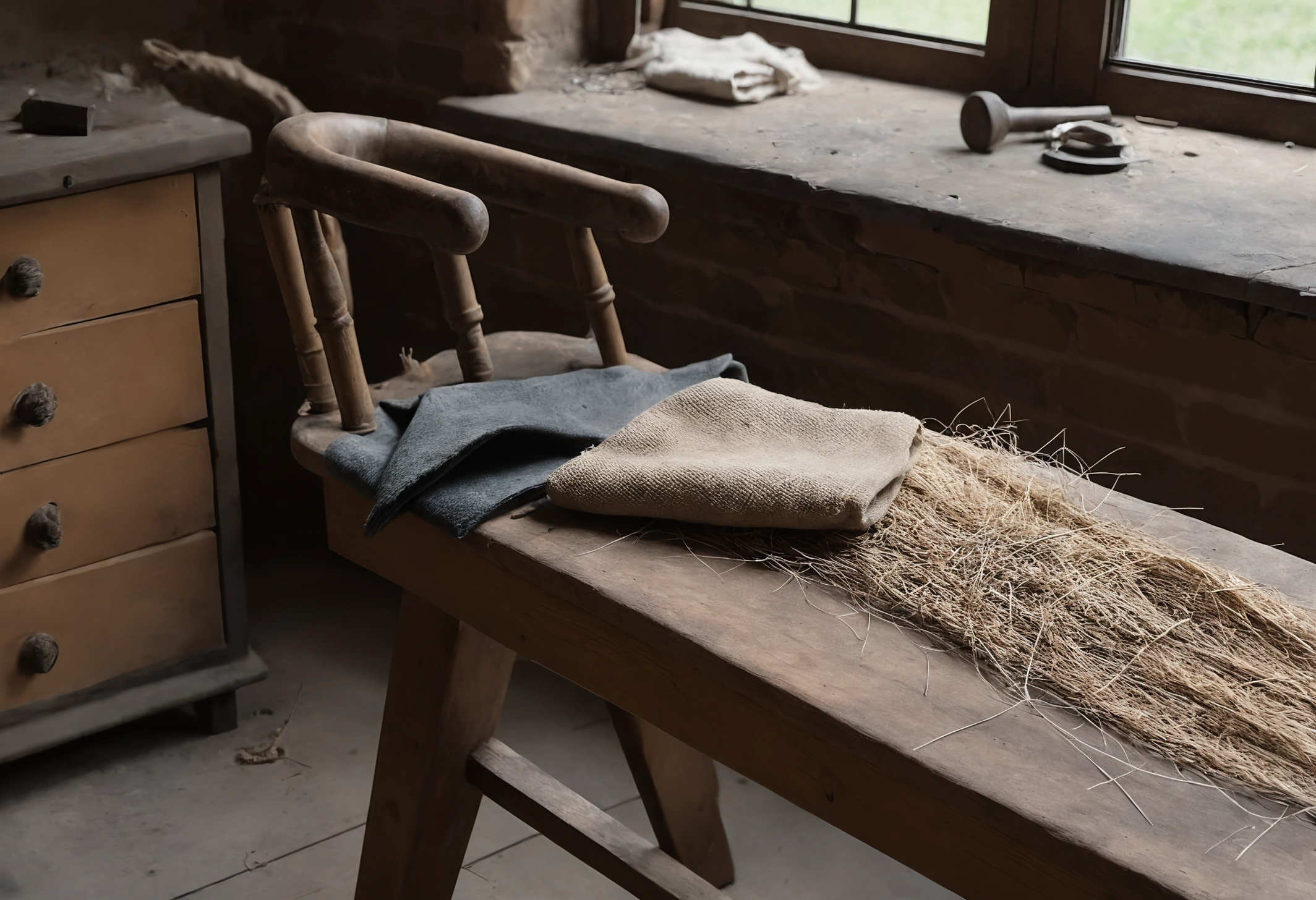
How to buy with resale in mind without ruining the room
Buying entirely for resale produces uncomfortable rooms full of pieces chosen for their auction records. A moderate approach protects value on the small number of pieces where it is achievable, and buys freely everywhere else.
- Anchor pieces
- One or two items per home, chosen for authorship, documentation and repairability. Anchor pieces are the items worth researching and worth keeping paperwork for.
- Working pieces
- Daily-use seating, beds and storage, chosen for construction and comfort. Value here is measured in years of service, not in resale.
- Fast pieces
- Accessories, occasional tables and decorative items that change with taste. Buying inexpensively here is rational, since replacement is expected.
Studios preparing interior design schemes in Dubai often structure furniture budgets along similar lines, concentrating spend on a small number of long-life pieces and treating the decorative layer as replaceable. The structure holds regardless of budget size, since it reflects how objects are actually used rather than how much they cost.
The market condition that changes everything locally
Secondary furniture markets depend on population stability, and highly mobile populations produce a different dynamic. Cities with substantial international turnover see large volumes of high-quality furniture sold quickly by departing residents, which supplies the second-hand market faster than local demand absorbs it.
The practical consequence is a buyer's market in second-hand furniture and a seller's disappointment. Anyone buying used in such a city benefits considerably. Anyone planning to recover value on exit should plan on modest recovery, and should build the expectation into the original purchase rather than discovering it at the point of departure.
The short answer
Furniture holds value when it can be named, dated, authenticated and repaired. Everything else is bought for use, and buying for use is the normal reason to buy furniture. Confusing the two categories produces both bad rooms and disappointing resale results.
Keep the paperwork on the two or three pieces that might matter later. Choose the rest for how they perform across the years you will actually own them.